

Wet Basement Woes? Here’s How to Keep It Dry
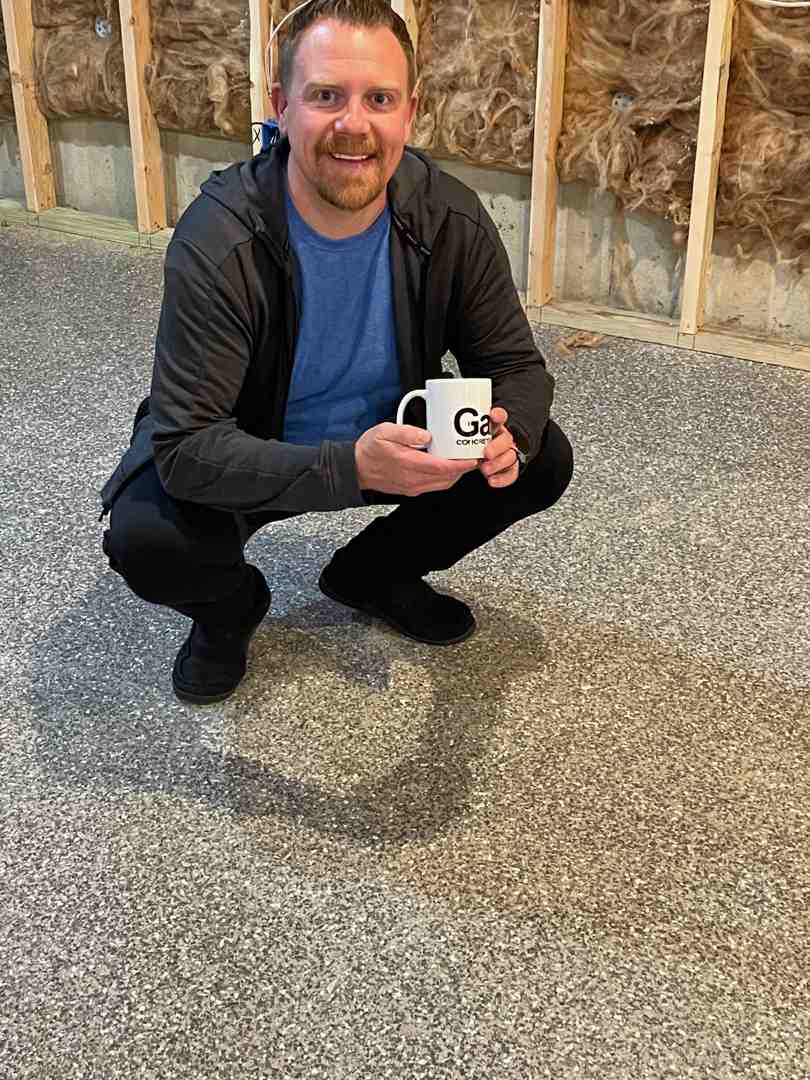
The Serious Impact of Basement Moisture
Wet basement floor solutions are essential for any homeowner dealing with moisture issues below ground. Here’s a quick overview of effective solutions:
- Identify the source: Determine if it’s condensation, runoff, or groundwater seepage
- External fixes: Improve grading, clean gutters, extend downspouts, install window well covers
- Internal remedies: Seal cracks, apply waterproof coatings, install interior drainage systems
- Flooring options: Consider polyaspartic coatings, raised floor systems, or moisture-resistant tiles
- Moisture management: Use dehumidifiers, improve ventilation, insulate cold water pipes
A wet basement is more than just an inconvenience. When moisture invades your concrete floor, it creates the perfect breeding ground for mold, compromises your foundation’s structural integrity, and can lead to serious health issues for your family. According to research, 60 percent of U.S. homes have wet basements, and 38 percent run the risk of basement mold.
The consequences of ignoring basement moisture problems can be costly. Water seeping through your concrete can damage stored belongings, ruin finished spaces, and eventually lead to major foundation repairs costing thousands of dollars. That’s why addressing wet basement issues promptly is critical.
I’m Hayley Shahbazi, Galaxy Concrete Coatings Manager with extensive experience implementing permanent wet basement floor solutions through advanced polyaspartic coating systems that create impermeable barriers against moisture while delivering exceptional durability and appearance.
Wet basement floor solutions word roundup:
Wet Basement Floor Solutions: Diagnose Before You Dry
Before diving into solutions, you need to understand what’s actually causing your wet basement floor. As basement expert Chris Carter of Ever-Dry puts it, “You need to determine if your problem is condensation, runoff, or subsurface seepage before you can effectively treat it.”
Think of your basement moisture issue like a medical condition—proper diagnosis leads to effective treatment. Just as you wouldn’t take heart medication for a headache, you shouldn’t apply waterproof sealant when your real problem is condensation. Let’s explore what might be turning your basement floor into an unwanted indoor pool.
Common Culprits Fueling a Soggy Slab
Your wet basement floor isn’t just randomly damp—there’s a specific source feeding that moisture. Most commonly, it’s one of these usual suspects:
That puddle in your basement might be from hydrostatic pressure pushing groundwater through your concrete after heavy rains. Did you know concrete is actually porous? Under pressure, water finds a way through.
Or perhaps it’s poor exterior drainage causing the problem. Here’s a startling fact: a modest 1,500-square-foot roof collects about 1,000 gallons of water for every inch of rainfall. If that water isn’t directed away from your home, guess where it ends up?
Many homeowners are surprised to learn that condensation is often the culprit. When warm, humid summer air meets your cool basement surfaces, it’s like creating indoor rain. I’ve seen basements where owners swore they had leaks, but simple dehumidification solved everything.
Don’t overlook plumbing leaks either. That mysterious puddle might not be coming from outside at all, but from a slow leak in a water heater or washing machine drain.
Lastly, check your yard grading. If the soil around your foundation slopes toward your house instead of away, you’ve basically created a funnel directing water straight to your basement.
One homeowner shared: “I spent years treating what I thought was groundwater seepage with expensive waterproofing systems, only to find my problem was actually condensation from poor ventilation. A simple dehumidifier fixed what thousands of dollars in waterproofing couldn’t.”
Pinpointing the Source Like a Pro
You don’t need to be a professional waterproofer to determine what’s causing your wet basement. Try these simple but effective diagnostic techniques:
The Foil Test is my favorite method for distinguishing between condensation and seepage. Simply tape a 12-inch square of aluminum foil to a dry section of your basement wall, seal all edges with tape, and check it after 24 hours. If moisture appears on the room-facing side, you’ve got condensation. If it’s on the wall-facing side, water is seeping through your walls.
For detecting air leaks that might be bringing in humid air, try the Incense Test. Light an incense stick and slowly move it around windows, pipes, and wall-floor joints. When the smoke wavers or gets pulled in a particular direction, you’ve found an air leak.
A digital humidity meter (hygrometer) can be incredibly revealing. Readings above 60% indicate you need better moisture control, while readings above 80% are practically sending out engraved invitations to mold spores. These inexpensive devices can save you thousands in misguided repairs.
According to the U.S. Department of Energy’s research on moisture control, “Identifying and eliminating the source of moisture is the first and most important step in solving moisture problems.” I couldn’t agree more—treating symptoms without addressing causes is just throwing money down a very damp drain.
Red Flags You Can’t Ignore
Your basement sends warning signals long before water starts pooling on the floor. Learn to recognize these red flags:
That chalky white powder on your walls? That’s efflorescence—mineral deposits left behind when water evaporates after moving through concrete. It’s like your basement’s way of waving a white flag of surrender to moisture.
Does your basement have that distinctive musty odor? That’s not just “basement smell”—it’s likely mold or mildew already growing in damp areas. Your nose can detect problems before your eyes do.
Visible mold growth in black, green, or white patches is obviously concerning, but so is peeling paint or flaking concrete. These are signs that moisture is pushing through your walls with enough force to damage finishes.
Keep an eye out for bowed or cracked walls. Water pressure can literally reshape your foundation over time. Similarly, water stains or rust marks tell the story of past or ongoing water intrusion that needs addressing.
A structural engineer I interviewed put it bluntly: “By the time most homeowners call me, they’ve ignored minor moisture signs for years. What could have been a $500 fix is now a $15,000 foundation repair.”
Understanding the source of your basement moisture is like having a roadmap for solutions. In the next section, we’ll explore the most effective wet basement floor solutions to tackle these problems head-on, including why polyaspartic coatings offer superior protection against basement moisture compared to traditional options.
Top Wet Basement Floor Solutions to Stop Water in Its Tracks
Now that you understand what’s causing your wet basement floor, it’s time to roll up your sleeves and implement some effective solutions. The best approach typically combines several strategies working together—like a team of cosmic defenders protecting your home’s foundation.
First-Aid Playbook When Water Appears
Walking downstairs to find standing water in your basement can feel like a nightmare, but don’t panic! Here’s your emergency action plan:
Safety first! Before you do anything else, turn off the electricity to your basement. Water and electricity create a dangerous—even deadly—combination. If your circuit breaker is in the basement and surrounded by water, call an electrician.
Find the culprit. Take a moment to determine if you’re dealing with a burst pipe, storm flooding, or groundwater seepage. If it’s a plumbing issue, shut off the water supply immediately.
Get that water out. For smaller puddles, a wet-dry vacuum works wonders. Dealing with several inches? You might need to rent a submersible pump from your local hardware store. Work methodically from one end of the basement to the other.
Dry it out thoroughly. Once the standing water is gone, bring in fans and dehumidifiers to dry the space completely. Monitor humidity levels as you go—you’re aiming for 30-50% relative humidity.
Protect your belongings. Move items off the wet floor onto pallets or, better yet, relocate them upstairs until the basement is completely dry.
“After our basement flooded during a spring storm,” shares homeowner Melissa from Denver, “I learned to keep a ‘basement emergency kit’ ready at all times—a wet-dry vac, extension cords long enough to reach from upstairs outlets, and plastic bins to quickly lift stored items. Those simple preparations saved thousands in damaged belongings when it happened again.”
Keeping Water Outside Where It Belongs
The most effective wet basement floor solutions prevent moisture from reaching your foundation in the first place. Think of these as your first line of defense:
Re-grade your landscape. The ground should slope away from your foundation at a rate of at least 1 inch per foot for a minimum of 6 feet. This simple fix might involve nothing more than adding and compacting soil around your foundation, but it can dramatically reduce water pressure.
Show your gutters some love. Clogged gutters overflow, sending cascades of water directly to your foundation. Make a habit of cleaning them at least twice yearly—more often if you’ve got lots of trees nearby. Those few hours on a ladder can prevent months of basement headaches.
Extend those downspouts. Your downspouts should discharge water at least 10 feet from your foundation. Inexpensive extensions or underground drain pipes can make an astronomical difference in keeping your basement dry.
Consider a dry well. If your property has poor drainage, a dry well can collect and gradually disperse rainwater away from your home. A basic system costs about $150 and can handle runoff from a 500-square-foot section of roof—a small investment for major protection.
Cover those window wells. Clear acrylic covers prevent rain and snowmelt from pooling in basement window wells while still allowing sunshine to brighten your space.
Tom in Phoenix told us: “After three years of fighting a wet basement, I finally extended my downspouts and regraded around my foundation. My basement stayed bone-dry through monsoon season—something I honestly thought was impossible!”
For more information about protecting your concrete floors from moisture damage, check out our guide to concrete floor coverings.
Sealing the Envelope: Interior Defenses
When exterior solutions aren’t enough or aren’t immediately feasible, these interior waterproofing measures can create an effective moisture barrier:
Tackle those foundation cracks. Even hairline cracks can let surprising amounts of water seep into your basement. For small cracks (less than 1/8 inch wide), hydraulic cement or polyurethane caulk works well. Larger cracks might require professional injection systems that fill the void throughout the wall’s thickness.
Apply waterproof coatings. Penetrating concrete sealers fill the microscopic pores in concrete, preventing water migration. These typically start at about $150 for 5 gallons, with coverage ranging from 25 to 1,000 square feet per gallon depending on the product and your concrete’s porosity.
Consider an interior drainage system. When groundwater pressure is severe, an interior perimeter drain system can capture water as it enters and direct it to a sump pump. While more invasive than other solutions, these systems prove highly effective for chronic water issues that resist simpler fixes.
Use vapor barriers wisely. According to the U.S. Department of Energy’s research on vapor barriers, properly installed vapor barriers can significantly reduce moisture transmission through concrete. For crawl spaces or unfinished areas, 6-mil polyethylene sheeting with overlapped seams provides excellent protection.
“Many homeowners try DIY waterproofing paints without proper preparation,” warns Jason, a waterproofing contractor with 20 years of experience. “The secret to success is thoroughly cleaning the concrete, patching all cracks, and following manufacturer application instructions exactly. Cutting corners leads to peeling and failure.”
Flooring Face-Off: Why Polyaspartic Coatings Are the Superior Wet Basement Solution
When it comes to selecting flooring for moisture-prone basements, not all options can handle the challenge. While many materials claim to be “waterproof” or “water-resistant,” they often disappoint when truly put to the test.
Common basement flooring options each have their drawbacks:
Vinyl plank flooring might resist water on its surface, but moisture can still penetrate seams and damage the subfloor beneath. Ceramic tile holds up well against water but feels cold underfoot and can crack if your foundation shifts. Rubber tiles offer decent moisture resistance but limit your design options. Cork flooring provides natural antimicrobial properties but demands regular sealing to maintain water resistance. Epoxy coatings perform better than bare concrete but tend to yellow and peel in high-moisture environments.
However, polyaspartic concrete floor coatings from Galaxy Concrete Coatings shine like a supernova compared to these alternatives. Here’s what makes them the stellar choice for wet basement applications:
Superior moisture barrier protection. Our polyaspartic coatings create a truly impermeable surface that blocks moisture vapor transmission through concrete, keeping your basement dry from below.
Extraordinary durability in damp conditions. Unlike epoxy, which can deteriorate when constantly exposed to moisture, polyaspartic maintains its integrity even in the dampest environments—no peeling, no bubbling, no failure.
Light-speed installation. While epoxy requires 3-5 days to fully cure in a damp basement, our polyaspartic coatings can be installed and fully cured in just one day, meaning minimal disruption to your home.
Performs in temperature extremes. Polyaspartic handles the temperature fluctuations common in basements with ease, while epoxy can become brittle when cold and soft when warm.
Stays beautiful for years. Unlike epoxy, which yellows over time (especially with UV exposure from windows), polyaspartic maintains its color and clarity year after year.
Resists chemicals and stains. Polyaspartic stands up to cleaning products, spills, and everyday life, making maintenance a breeze.
As Bryan Baeumler, HGTV host and professional contractor, notes: “In my mind, you cannot finish a basement without putting down proper moisture protection. The foundation is literally the foundation of your home’s health.”
For a detailed comparison of polyaspartic versus epoxy coatings, visit our comprehensive guide.
Low-VOC Flooring: Wet Basement Floor Solutions for Healthy Air
Basements typically have limited ventilation, making air quality particularly important. Many traditional basement flooring materials and coatings emit volatile organic compounds (VOCs) that can compromise your family’s health, especially in these enclosed spaces.
When selecting wet basement floor solutions, breathable options with minimal emissions should be high on your priority list:
Polyaspartic coatings from Galaxy Concrete Coatings feature extremely low VOC content, making them ideal for enclosed basement spaces. Unlike epoxy, which can emit strong, lingering odors during curing, our polyaspartic coatings have minimal odor and are safe for households with children, pets, or individuals with respiratory sensitivities.
When shopping for any basement flooring, look for these green certifications:
- GREENGUARD Gold Certification
- FloorScore Certification
- Zero-VOC or Low-VOC labeling
Sarah, a homeowner with asthma, shared her experience: “After installing polyaspartic coating in our basement, we noticed an immediate improvement in air quality compared to our previous epoxy floor. The installation process was virtually odorless, and we could use the space the very next day without any breathing issues.”
The Galaxy Advantage: Permanent, Durable, and Attractive Solutions
Some homeowners consider temporary fixes like raised floor systems or floating panels with air gaps underneath. While these might seem like quick solutions, they come with significant drawbacks:
They steal precious headroom, typically reducing ceiling height by 2-4 inches in an already limited space. They feel unstable underfoot, creating a hollow, bouncy sensation when walking. Maintenance becomes a nightmare as they require complete removal for thorough cleaning. Mold loves to grow underneath these systems where it remains hidden until health problems appear. Most importantly, they merely mask the underlying moisture problem rather than solving it.
In contrast, Galaxy Concrete Coatings offers a permanent solution that transforms your wet basement floor into a beautiful, functional space that will remain dry for light-years to come:
- We begin with a professional moisture assessment, evaluating the source and severity of your moisture issues to ensure we address the root cause.
- Our team performs comprehensive surface preparation, properly cleaning, repairing, and preparing your concrete for maximum adhesion—no shortcuts that lead to future failure.
- We apply specialized moisture mitigation technology with primers designed specifically for high-moisture environments, creating a foundation for lasting success.
- Our premium polyaspartic coating system involves multiple layers that create an impenetrable moisture barrier while providing stunning aesthetics in a variety of colors and finishes.
- We stand behind our work with a lifetime warranty, giving you peace of mind that your investment is protected for as long as you own your home.
Skip Bedell, TV host and professional contractor, confirms: “You never want to put your finished floors on top of wet, damp, and cold concrete. A proper moisture barrier system is essential for long-term success.”
Learn more about our specialized basement floor solutions that have helped countless homeowners across Denver, Phoenix, Tucson, Indianapolis, and Cincinnati transform their problematic basements into dry, beautiful living spaces.
Conclusion: Launch Your Basement into the Dry Frontier
Dealing with a wet basement floor can feel like navigating uncharted territory, but with the right approach, you can transform this challenging space into one of your home’s most valuable assets. The key is addressing the root causes of moisture while implementing durable, long-lasting solutions.
Remember these mission-critical steps:
- Identify the source of moisture
- Implement exterior drainage improvements
- Consider interior waterproofing measures
- Choose the right flooring solution for long-term success
- Maintain proper humidity levels
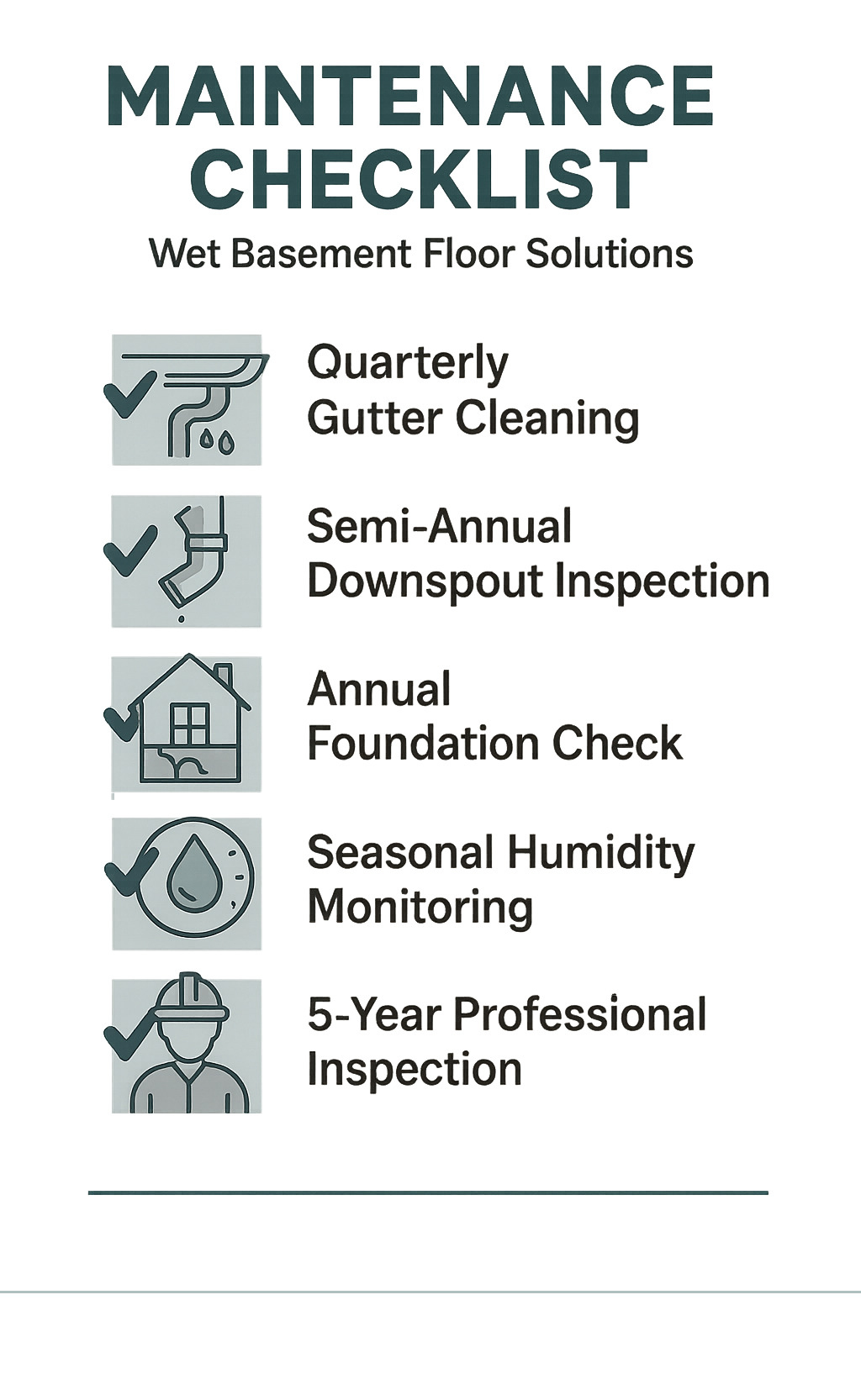
When it comes to permanently resolving wet basement floor solutions, Galaxy Concrete Coatings offers the most advanced technology available. Our polyaspartic coating systems create an impermeable moisture barrier while delivering a floor that’s as beautiful as it is functional. With a one-day installation process and lifetime warranty, we’re light-years ahead of traditional epoxy coatings or temporary raised flooring systems.
Our stellar reputation is built on thousands of successful installations across our service universe. We proudly serve homeowners in(https://maps.app.goo.gl/Puexf5x3GtjvLUmS6), [Phoenix](https://galaxyconcretecoatings.com/arizona/phoenix/), [Tucson](https://galaxyconcretecoatings.com/arizona/tucson/), [Indianapolis](https://galaxyconcretecoatings.com/indiana/indianapolis/), and [Cincinnati](https://galaxyconcretecoatings.com/ohio/cincinnati/).
Ready to blast your basement moisture problems into orbit? Learn more about our specialized basement floor coating solutions or contact us today for a free consultation. With Galaxy Concrete Coatings, your basement will shine like a supernova—dry, beautiful, and built to last for light-years to come!