

Make Old Concrete New Again—Residential Resurfacing Guide
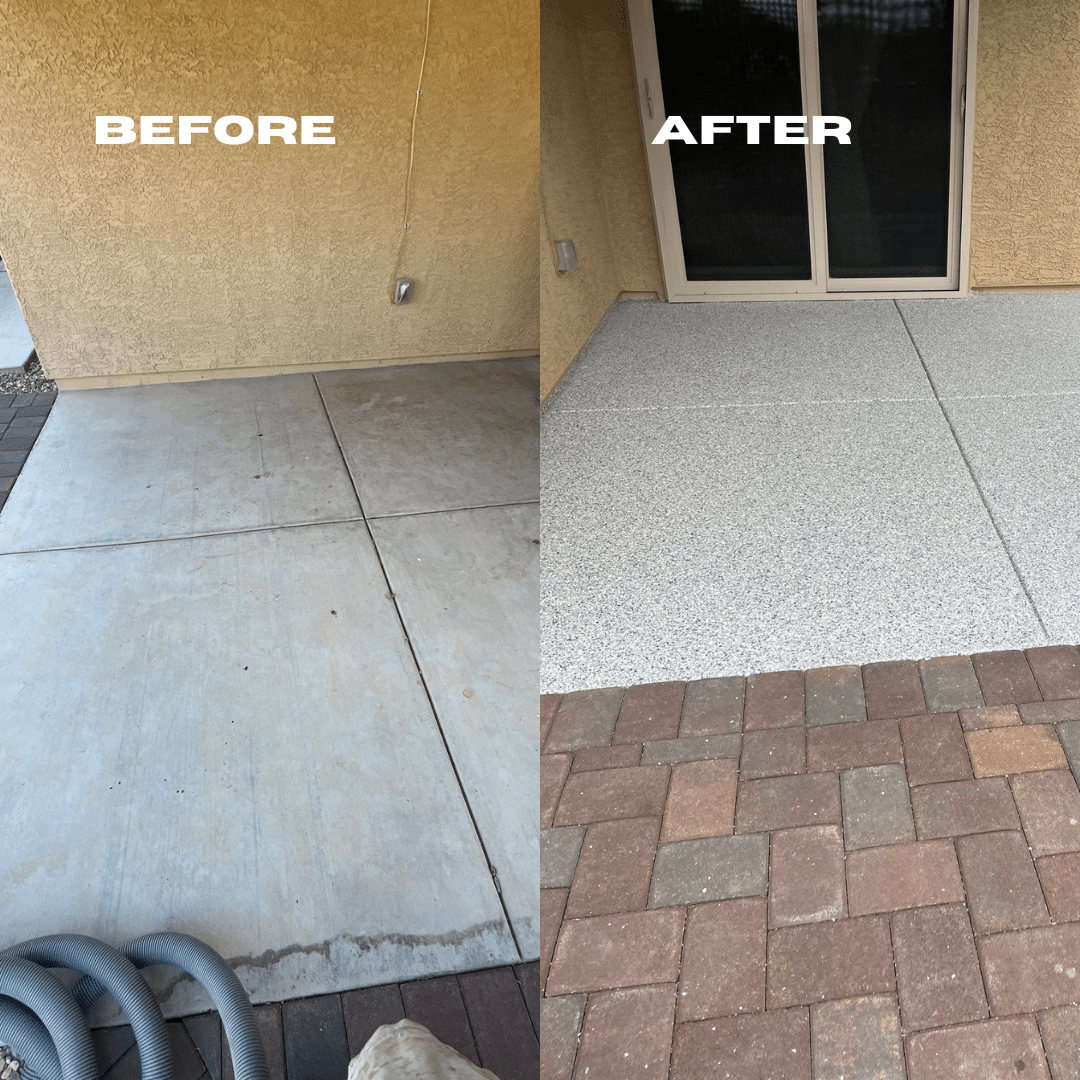
Make Old Concrete New Again—Here’s How Residential Resurfacing Works
Residential concrete resurfacing is the process of applying a thin polymer-modified overlay to existing concrete surfaces like driveways, patios, and pool decks to restore their appearance and functionality without full replacement. Even the experts at the American Concrete Institute recognize resurfacing as a proven way to extend slab life while cutting project costs.
Your driveway cracks are getting worse. Your patio looks like it survived a small earthquake. That pool deck is more embarrassing than your teenage photos.
Here’s the good news: You don’t need to demolish everything and start over.
Most concrete problems are surface-level issues that resurfacing can fix. We’re talking about hiding those spider cracks, covering up oil stains, and creating slip-resistant surfaces that actually look good.
The even better news: Professional resurfacing costs about half what full replacement does, and it’s done in days instead of weeks.
I’m Hayley Shahbazi, Manager at Galaxy Concrete Coatings, and I’ve helped develop installation processes that make residential concrete resurfacing both durable and beautiful using advanced polyaspartic coating systems. My experience with Penntek coatings has shown me how proper resurfacing can outperform traditional methods while delivering results that last decades.
Residential concrete resurfacing terms made easy:
Residential Concrete Resurfacing 101: Decide, Design, Delight
What Is Residential Concrete Resurfacing?
Residential concrete resurfacing is like giving your concrete surfaces a stellar makeover without the demolition drama. Picture this: instead of jackhammering and hauling away tons of concrete, we apply a thin, polymer-modified overlay—typically just 1/8″ to 1/4″ thick—directly over your existing surface.
This cosmic change works beautifully on driveways plagued by minor cracks and stubborn oil stains, patios that have seen better days after years of weather and furniture scuffs, pool decks desperately needing slip-resistant surfaces, walkways with surface imperfections, and garage floors requiring serious durability upgrades.
The real magic happens with our polymer-modified overlays that bond like they’re magnetically attracted to properly prepared concrete. These aren’t just cosmetic band-aids—they’re structural improvements that can launch your concrete’s lifespan into orbit for decades to come.
Micro-toppings handle ultra-thin applications for minor surface issues, while polymer overlays tackle thicker systems for more significant damage. Add in decorative finishes with stamped patterns, colors, and textures, plus protective sealers with UV-resistant topcoats, and you’ve got a complete surface change system.
Replace vs. Resurface Decision Matrix
Here’s your mission-critical decision matrix for determining whether your concrete needs resurfacing or full replacement—and trust me, most homeowners are pleasantly surprised by how often resurfacing wins.
Resurface when you’re dealing with cracks smaller than a credit card width, surface spalling or pitting that’s more annoying than structural, the desire to update your concrete’s appearance, a structurally sound slab, or persistent stains and discoloration that won’t budge.
Replace when you’re facing severe heaving or sinking, cracks wider than 1/4 inch that could swallow a quarter, freeze-thaw damage that’s compromised the structure, or a slab that’s become unstable with foundation issues.
| Factor | Resurfacing | Full Replacement |
|---|---|---|
| Cost per sq ft | $3-$20 | $6-$15 + demolition |
| Timeline | 1-3 days | 2-3 weeks |
| Disruption | Minimal | Major |
| Waste | Zero | Tons to landfill |
| Best for | Surface issues | Structural problems |
The numbers tell a compelling story: resurfacing costs $3-$20 per square foot compared to full replacement at $6-$15 per square foot (plus those painful demolition costs). You’re looking at 1-3 days versus 2-3 weeks for completion, with zero landfill waste versus tons of concrete debris.
Research consistently shows that resurfacing saves homeowners an average of $2,000 compared to full replacement, with most projects orbiting between $1,000-$5,000 total. That’s money-savings that are truly out of this world.
Popular Finishes & Decorative Effects
Modern residential concrete resurfacing isn’t just about fixing problems—it’s about creating surfaces so stunning they’ll make your neighbors wonder if you hired a team of cosmic designers.
Stamped patterns can transform your concrete into natural stone textures, brick and cobblestone effects, wood plank designs, or custom geometric patterns that look like they were crafted by celestial artisans. Spray textures offer knockdown finishes for slip resistance, orange peel textures, smooth trowel finishes, or traditional broom finishes for classic appeal.
Integral coloring mixed throughout the overlay creates consistent, fade-resistant hues, while topical stains deliver variegated effects with depth and character. Whether you prefer earth tones or contemporary shades, multiple color combinations can create truly stellar results.
At Galaxy Concrete Coatings, we specialize in patio coatings that combine durability with stunning visual appeal using our advanced polyaspartic systems. Our anti-slip additives ensure safety without sacrificing beauty, creating surfaces that are both gorgeous and functional.
How Long Does It Last?
Professional residential concrete resurfacing delivers a 10-25-year lifespan when properly installed and maintained—and honestly, high-quality installations often exceed these expectations by light-years.
Quality of surface preparation forms the foundation of longevity, with proper cleaning and profiling being absolutely critical. Climate conditions including freeze-thaw cycles and UV exposure impact durability, while traffic levels determine wear patterns between foot traffic and vehicle traffic zones.
Your sealing schedule becomes mission-critical for extending lifespan significantly. Annual pressure washing keeps surfaces clean, resealing every 3-5 years maintains protection, and prompt cleanup of spills and stains prevents permanent damage. Avoiding harsh chemicals and deicers helps preserve the surface integrity, while choosing the right snow shovel type prevents scratching.
Extensive research on polymer durability shows that modern polyaspartic systems significantly outperform traditional materials in UV resistance and longevity.
Our polyaspartic coatings offer superior UV resistance compared to traditional systems, maintaining their appearance and performance even in the harsh climates across Colorado, Arizona, Indiana, and Ohio. This UV-resistance means your investment stays beautiful longer, with colors that don’t fade into oblivion like other coating systems.
How to Resurface & Keep Concrete Stellar (and Why Pros Beat DIY)
Step-by-Step Residential Concrete Resurfacing
The magic of residential concrete resurfacing happens in the details. Having worked with thousands of homeowners through Galaxy Concrete Coatings, I’ve seen how proper technique makes the difference between a surface that lasts two years versus twenty years.
Surface preparation is absolutely everything. We start with a high-pressure wash using 3,500 PSI equipment to strip away years of dirt, oil stains, and any existing sealers. This isn’t your garden-variety pressure washer—we’re talking about professional-grade equipment that creates the clean canvas your new surface needs.
Next comes mechanical profiling, which sounds fancy but simply means creating tiny ridges and valleys in your concrete surface. Think of it like roughing up a wall before painting. We use diamond grinding or shot blasting to give that overlay something to grab onto. Without this step, even the best materials will eventually peel away.
Crack repair comes next, and this is where experience really shows. Any crack wider than a credit card gets filled with polymer concrete that’s actually stronger than the original surface. We patch spalled areas—those spots where chunks have broken away—with structural repair compounds that cure in 2-5 hours.
The overlay application is where artistry meets science. We mix our polyaspartic materials in small batches because we only have about 20 minutes of working time. The overlay goes on 1/8″ to 1/4″ thick, spread evenly with specialized trowels. This is when decorative elements get added—stamped patterns, integral colors, or texture treatments.
Texturing and finishing happen while the overlay is still workable. We create slip-resistant surfaces with broom finishes or specialty tools, apply stamped patterns that look like natural stone or brick, and add color hardeners that make the surface pop. Everything has to be perfectly timed.
The curing and sealing process is where patience pays off. We allow 24-48 hours for initial cure, then apply protective sealers for UV resistance and stain protection. Your surface needs another 48-72 hours before it’s ready for vehicle traffic.
For more details about our professional approach, check out our concrete installation process guide.
DIY vs. Professional: Costs, Risks, Rewards
Here’s the honest truth about DIY resurfacing: the materials are cheap, but the mistakes are expensive.
A 40-pound bag of resurfacer costs about $22 and covers roughly 35 square feet. Add in pressure washer rental at $90 per day, and you’re looking at under $1 per square foot for materials. Sounds like a great deal, right?
But here’s where things get tricky. About 80% of a professional job’s cost goes to skilled labor, and there’s a reason for that. Surface preparation requires professional equipment that most homeowners don’t own. Proper mixing ratios are critical—too much water weakens the overlay, too little makes it impossible to work with.
Weather timing is crucial too. Apply resurfacer when it’s too hot, and it’ll cure before you can finish. Too cold, and it won’t cure properly at all. Rushing the process leads to weak bonds that fail within months instead of lasting decades.
The most common DIY disasters I’ve seen include:
- Inadequate surface preparation leading to adhesion failure
- Improper mixing causing weak overlays
- Skipping the sealing step that protects your investment
- Poor weather timing resulting in cure problems
- Uneven application creating weak spots
Galaxy’s professional approach gives you one-day installation using advanced polyaspartic systems, lifetime warranty coverage, and expertise with challenging climate conditions across Colorado, Arizona, Indiana, and Ohio. When something goes wrong with a DIY job, you end up paying for professional concrete floor repair services anyway.
The research consistently shows that while DIY materials cost less upfront, professional installations provide better value over time through superior durability and warranty protection.
Maintenance & After-Care for a Nebula-Bright Surface
Keeping your resurfaced concrete looking stellar doesn’t require rocket science—just consistent care and smart choices.
Annual maintenance starts with pressure washing using mild, pH-neutral cleaners. Harsh chemicals can damage even the toughest surfaces, so stick with gentle products. Inspect for wear or damage during your annual cleaning, and clean stains promptly to prevent permanent discoloration.
Seasonal care varies by climate. Winter protection means avoiding harsh deicers that can damage the surface—use sand for traction instead. Summer heat requires protecting newly applied surfaces during curing. Spring inspections help catch any winter damage early, while fall preparation gets your concrete ready for harsh weather.
Long-term preservation is all about the sealer. Resealing every 3-5 years with quality products maintains that protective barrier against UV rays, stains, and wear. Address minor repairs immediately before they become major problems. Avoid dragging heavy objects across the surface, and use furniture pads to prevent scratches.
For comprehensive guidance on protective coatings, our concrete floor sealing options guide covers everything you need to know about maximizing your investment.
Launch Your Concrete Into the Galaxy—Schedule Your Free Quote
Ready to transform your concrete from earthbound to extraordinary? Galaxy Concrete Coatings specializes in residential concrete resurfacing using advanced polyaspartic coating systems that literally outperform traditional methods.
Our polyaspartic systems are superior to epoxy coatings in durability, appearance, and installation speed. We offer one-day installation with immediate use, lifetime warranty on our applications, and UV-resistant formulations that won’t yellow or fade like inferior products.
Galaxy Concrete Coatings serves these stellar locations:
- Denver, [Colorado](https://galaxyconcretecoatings.com/colorado/denver/)
- Phoenix, [Arizona](https://galaxyconcretecoatings.com/arizona/phoenix/)
- Tucson, [Arizona](https://galaxyconcretecoatings.com/arizona/tucson/)
- Cincinnati, [Ohio](https://galaxyconcretecoatings.com/ohio/cincinnati/)
- Indianapolis, [Indiana](https://galaxyconcretecoatings.com/indiana/indianapolis/)
Visit our Residential Concrete Coating Services page to explore all our options for changing your home’s concrete surfaces.
Don’t let your concrete stay stuck in the stone age when you can launch it into the Galaxy! Our stellar customer reviews and astronomical satisfaction ratings prove that we’re truly taking concrete out of this world, one stellar installation at a time.