

Polyurea vs Epoxy: Which Concrete Coating Actually Holds Up?
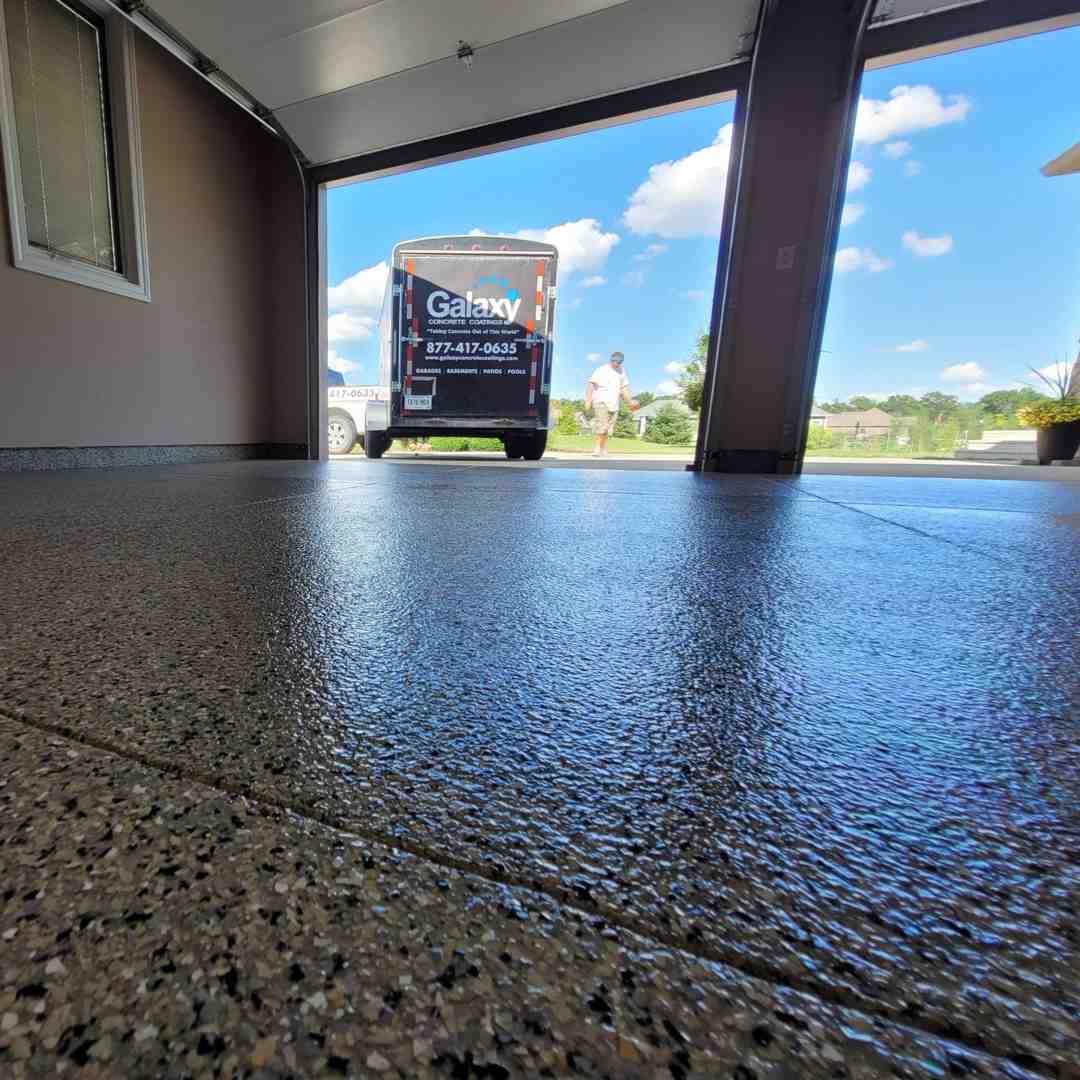
| Quick answer: In the polyurea vs epoxy debate, polyurea is usually the better long-term choice for garage floors, patios, and other hard-working concrete surfaces. It cures faster, handles UV exposure better, and tends to hold up better under daily wear. |
If you have been researching concrete coatings, you have probably seen the phrase polyurea vs epoxy everywhere. On the surface, the two can sound similar. Both are used to protect concrete. Both can improve the look of a floor. Both can be pitched as durable solutions.
But once you get past the sales talk, the differences matter. Cure time matters. UV stability matters. Hot-tire resistance matters. And so does how the floor looks a few years after the install.
For most homeowners, polyurea is the smarter investment. It is not just about getting a shinier floor on day one. It is about getting a coating system that is built for real life, not just for a showroom photo.
Polyurea vs Epoxy at a Glance
| Category | Polyurea | Epoxy |
| Cure time | Fast return to service, often much sooner | Usually slower cure and longer downtime |
| UV exposure | Better choice for sun-exposed areas | More likely to yellow or amber over time |
| Flexibility | Better able to move with concrete | More rigid |
| Hot-tire pickup | Better resistance in demanding garage use | More likely to have issues in weaker systems |
| Long-term value | Higher performance for most homes | May cost less upfront but can cost more later |
That side-by-side view is the short version. Here is what those differences really mean when the floor is in your home and getting used every day.
What Is Epoxy?
Epoxy is a long-established concrete coating material. It has been used for years in garages, shops, and industrial settings. When it is installed correctly, it can create a hard, glossy surface that looks clean and finished.
The problem is that “hard” is not always the same thing as “forgiving.” Epoxy tends to be more rigid, which can be a drawback when concrete expands, contracts, and settles. It can also be more vulnerable to yellowing in sunlight and can take longer to cure than homeowners expect.
What Is Polyurea?
Polyurea is a more advanced coating chemistry that is known for fast cure times, strong adhesion, and better flexibility. In practical terms, that means less downtime and a coating that is better equipped to handle the stresses that come with real-world use.
It is especially appealing for garages, patios, porches, and other areas where the floor has to do more than just look good. It has to take traffic, weather, spills, and temperature swings without turning into a maintenance project.
Why Cure Time Matters More Than Most Homeowners Think
One of the biggest differences in polyurea vs epoxy is cure time. A faster cure is not just a convenience. It changes the entire installation experience. Homeowners want their garage back. They want to use the patio again. They do not want an installation to drag on for days.
That is where polyurea stands out. Faster curing can mean less disruption and a quicker return to normal life. Epoxy, by comparison, often asks for more patience and more ideal conditions.
UV Stability: The Difference You Notice Later
A coating can look great right after installation and still disappoint later. That is one reason UV stability matters so much. Floors that get any real sunlight need a coating system that can hold its color and finish.
This is one of the clearest reasons many homeowners move toward polyurea systems. Epoxy is more likely to amber or yellow over time, especially in bright spaces. If the goal is a floor that keeps its appearance, polyurea has the edge.
Why Polyurea Performs Better in Garages
Garages are tough on coatings. Hot tires, road salt, dropped tools, dust, and regular traffic all take a toll. A floor that only looks good in the first few months is not enough.
In a polyurea vs epoxy garage floor comparison, polyurea usually wins because it is better suited for that kind of punishment. Better resistance to hot-tire pickup and a more flexible coating profile make it a stronger choice for the way people actually use garages.
Patios, Porches, and Outdoor Concrete
Outdoor concrete is a different challenge. It has to deal with sun, weather, moisture, and temperature shifts. That makes the polyurea vs epoxy conversation even more important outside.
If the coating will see sunlight, epoxy becomes harder to justify as the best long-term answer. Polyurea is better positioned for exterior use because appearance retention and weather performance matter just as much as durability.
Best Use Cases for Each
To be fair, epoxy still has use cases. It can work in certain interior environments, especially when budget is the main driver and UV exposure is not a concern. Some property owners also choose epoxy because they are familiar with it.
But for most residential concrete coating applications, the better question is not whether epoxy can work. It is whether it is the best option. In most cases, polyurea is the stronger answer for homeowners who care about speed, durability, and long-term appearance.
Why Polyurea Is the Better Long-Term Investment
Upfront price is only one part of value. A cheaper coating is not a better deal if it discolors sooner, needs more maintenance, or does not hold up under normal use. That is why the best coating for garage floors is usually the one that performs better over time, not the one with the lowest starting number.
Polyurea makes a stronger case because it combines speed, durability, and better visual longevity. For homeowners comparing polyurea floor coating vs epoxy, that usually tips the decision. The floor is back in service faster, stands up better to wear, and is less likely to become a redo project later.
Homeowner Takeaways
- If your floor gets sunlight, polyurea is the safer choice.
- If you want the space back quickly, polyurea is hard to beat.
- If you are coating a garage, hot-tire resistance should not be treated as a minor detail.
- If long-term appearance matters, epoxy is harder to defend.
- If you want a premium concrete coating solution, polyurea is usually the better fit.
Final Verdict: Polyurea Is the Better Choice for Most Floors
When people search polyurea vs epoxy, they are usually trying to figure out which coating is actually worth their money. The short answer is that polyurea is the better choice for most residential concrete surfaces.
Epoxy still has name recognition, but polyurea is the higher-performing system in the areas that matter most: cure time, UV resistance, flexibility, and real-world durability. If the goal is a floor that looks better, lasts longer, and causes fewer headaches, polyurea comes out ahead.
Ready to Upgrade Your Concrete?
If you are comparing garage floor coating options, patio coatings, or a full concrete coating comparison for your home, Galaxy Concrete Coatings can help. Our team installs premium coating systems built for daily life, not just for day-one looks.
Request an estimate and get expert guidance on the right coating for your garage, patio, porch, or interior concrete surface.
FAQ
Is polyurea better than epoxy?
For most residential concrete coating applications, yes. Polyurea is usually the better option because it cures faster, handles UV exposure better, and tends to perform better under regular wear.
Does epoxy last as long as polyurea?
In many real-world settings, epoxy does not hold up as well over time. It can be more vulnerable to yellowing, wear, and hot-tire issues, especially in garages and sun-exposed spaces.
Is polyurea good for garage floors?
Yes. Polyurea is one of the best options for garage floors because it is durable, fast-curing, and better suited for heavy daily use than many traditional epoxy systems.
Is polyurea good for patios and outdoor concrete?
Yes. If the surface gets sunlight, polyurea is usually the better bet because outdoor concrete demands better UV performance and long-term appearance retention.
Why do some companies still sell epoxy?
Epoxy has been around longer and can come with a lower upfront price in some cases. But a lower upfront cost does not always equal better long-term value.