

Epoxy or Polyaspartic? A Comprehensive Guide to Choosing Your Garage Floor Coating
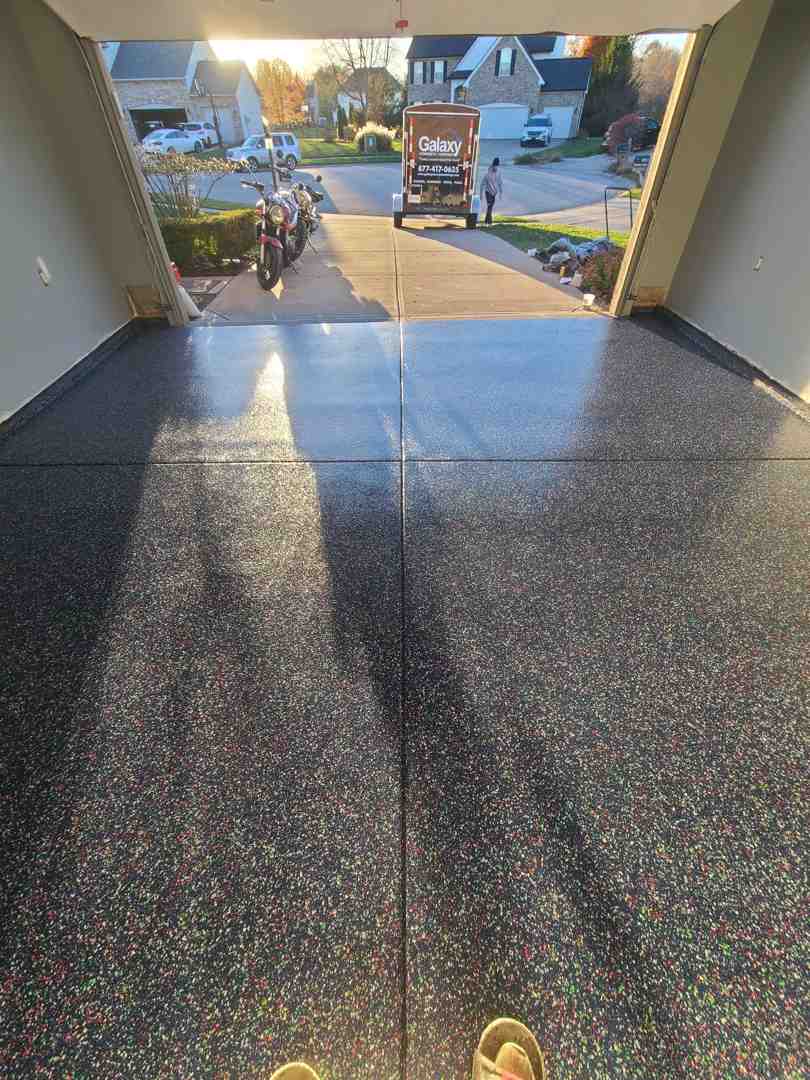
The Great Floor Debate: Understanding the Contenders
Polyaspartic floor vs epoxy is a common question for homeowners looking to upgrade their garage floors. While epoxy was once the standard, modern technology has introduced a far superior option.
Quick Comparison:
| Feature | Polyaspartic/Polyurea (Galaxy’s Specialty) | Epoxy (For Comparison) |
|---|---|---|
| Cure Time | Walk-on in hours, drive-on in 24-96 hours | 24+ hours to cure, days for full use |
| UV Resistance | Won’t yellow or fade | Yellows and fades over time |
| Durability | 4-10x stronger, flexible | More brittle, prone to cracking |
| Temperature Range | Apply in -40°F to 140°F | Limited to 50-90°F |
| Lifespan | 10-20+ years | 5-10 years |
| Installation | Professional one-day install | Longer process, DIY-prone failures |
Your garage floor endures heavy vehicles, chemical spills, and daily wear. For years, epoxy—a rigid, plastic-like coating—was the go-to solution. However, it comes with drawbacks like long cure times, yellowing from UV exposure, and a tendency to crack.
Polyaspartic and polyurea coatings represent the next generation of floor protection. As a type of advanced polyurea, polyaspartic offers faster installation, superior durability, and long-lasting beauty that epoxy can’t match. While epoxy is a popular search term, understanding why polyaspartic outperforms it will save you time, money, and frustration.
“I’ve spent years helping homeowners with the polyaspartic floor vs epoxy decision,” says Hayley Shahbazi, Manager at Galaxy Concrete Coatings. “I’ve seen how our Penntek polyaspartic systems outperform traditional epoxy in durability, speed, and long-term value.”
At Galaxy Concrete Coatings, we exclusively use these advanced systems because they cure rapidly, resist UV damage, flex with your concrete, and are backed by a lifetime warranty. The quick comparison table above highlights why our coatings are the preferred choice for a lasting, high-performance finish.

Polyaspartic/Polyurea vs Epoxy: A Head-to-Head Comparison
When you’re ready to transform your garage floor, the differences between polyaspartic and epoxy become critical. Here’s a direct comparison of the key factors.
Curing Time & Installation: The Race to a Usable Floor
Waiting days to use your garage isn’t ideal. This is where polyaspartic floor vs epoxy shows a clear winner in speed. Our polyaspartic coatings cure so fast you can walk on them in 6-12 hours and drive on them in 24-96 hours. The entire one-day installation process minimizes disruption. In contrast, epoxy can take a week to fully cure, keeping your garage out of commission. Learn more about our rapid cure times in our guide on How Long Before You Can Walk on Polyaspartic Floor Coating.
Durability & Resistance: Which Coating is Tougher?
Polyaspartic coatings are engineered for superior strength, offering up to 10 times the durability of epoxy. This provides exceptional abrasion, chemical, and impact resistance. More importantly, our coatings are 98-100% more flexible than brittle epoxy, allowing them to move with concrete and prevent cracking and chipping. This flexibility also provides hot tire pickup protection, so you won’t see peeling or marks. For more details, explore the Benefits of Polyaspartic Floor Coating.

As David S. from Phoenix, AZ, shared: “The floor looks amazing and seems to be very durable. The installers were very professional and did a great job. I would highly recommend Galaxy.”
UV Stability & Aesthetics: A Battle Against Yellowing
Epoxy’s tendency to yellow and fade in sunlight is a major drawback. Our polyaspartic/polyurea’s superior UV stability ensures your floor’s color remains vibrant for years, making it perfect for garages, patios, and pool decks. With our popular Concrete Coating Types: Flake System and extensive Polyaspartic Floor Coating Colors Guide, your floor will maintain its stunning look.

Application, Cost, and Long-Term Value
DIY epoxy kits are risky. Improper mixing, surface prep, and temperature control often lead to peeling and failure, as detailed in articles on common DIY epoxy flooring failures and Epoxy Garage Floor Issues. Polyaspartic’s rapid cure time demands professional installation, which is where Galaxy’s certified team excels. We use specialized equipment to ensure a flawless, permanent bond.
Mark S. from Denver, CO, confirms the value: “The quality of the product and the installation is top notch. It’s not the cheapest option but you get what you pay for. I’m very happy with the results.”
While polyaspartic has a higher upfront cost, it’s a smarter investment. An epoxy floor may need reapplication every 5-10 years, adding to the total cost. A polyaspartic floor lasts 10-20+ years, providing superior long-term value and saving you money. Learn more about Polyaspartic Floor Coatings Cost.
Finally, avoid “hybrid systems” that mix epoxy and polyaspartic layers, as they can lead to delamination. Galaxy’s advanced, seamless full polyaspartic/polyurea system penetrates the concrete for maximum protection and unparalleled durability. For a full breakdown, see our guide on Polyaspartic vs Epoxy.
The Verdict: Launching Your Floor into the Future
In the polyaspartic floor vs epoxy debate, the verdict is clear. Polyaspartic coatings deliver superior speed, strength, beauty, and long-term value that epoxy cannot match.
Our polyaspartic systems offer one-day installation, exceptional durability against cracks and chemicals, and UV stability that prevents yellowing. This means you get a floor that is ready faster, lasts longer (10-20+ years), and looks better for its entire life.
At Galaxy Concrete Coatings, we exclusively use advanced polyaspartic and polyurea systems because they are simply better. We are so confident in their performance that every Galaxy floor comes with a lifetime warranty.

Our customers agree. Lisa M. from Cincinnati, OH, shared: “Galaxy did an amazing job on our garage floor. The crew was professional, courteous and efficient. The floor looks fantastic and we are very happy with the result. We would highly recommend them.”
Ready to give your floor the Galaxy treatment? Explore our guide on Polyaspartic vs Epoxy Floor Coatings to see why homeowners across our service areas are choosing the future of floor coatings. With stellar reviews and five-star ratings, you can trust your floor is in the best hands. Your garage floor deserves an out-of-this-world finish—let’s launch it into the future together!