

Say Goodbye to Skid Marks: Easy Ways to Protect Your Driveway
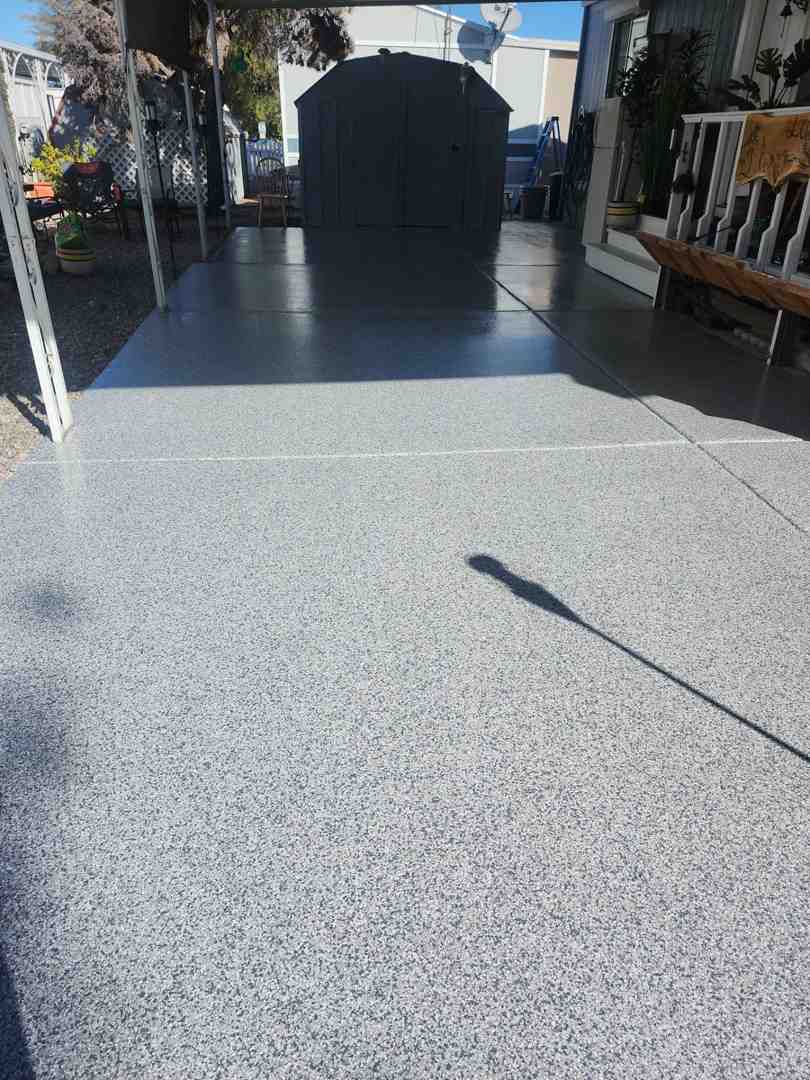
Why Preventing Tire Marks is Essential for Your Driveway
How to prevent tire marks on driveway is a common concern for homeowners who want to maintain their property’s curb appeal and value. The good news? There are several effective methods to protect your driveway from unsightly tire marks:
Quick Prevention Methods:
- Apply protective coatings – Polyaspartic coatings offer superior hot tire pickup resistance
- Regular maintenance – Clean spills promptly and hose down regularly
- Smart parking habits – Allow tires to cool before parking, avoid sharp turns
- Proper tire care – Maintain correct tire pressure and choose appropriate tire types
Tire marks aren’t just an aesthetic problem – they’re a sign that your driveway surface is vulnerable to damage. When tires heat up during driving, they can reach temperatures 50 degrees higher than ambient air. These hot tires can leave behind rubber deposits, plasticizer stains, and even pull up poorly bonded coatings through a process called “hot tire pickup.”
The root cause lies in tire composition and heat. Modern tires contain plasticizers – chemical compounds that make rubber flexible for better traction. When tires get hot, these plasticizers can soften and leach out, migrating into porous concrete surfaces and causing permanent discoloration.
Why This Matters:
- Tire marks reduce curb appeal and property value
- Unprotected concrete becomes more porous and susceptible over time
- Some coatings actually make the problem worse if not properly formulated
As Hayley Shahbazi, Galaxy Concrete Coatings Manager with experience in residential and commercial concrete floor coatings, I’ve seen how to prevent tire marks on driveway surfaces using advanced polyaspartic technology. My work developing Galaxy’s product line and installation processes has made us a leader in creating durable, tire-mark-resistant surfaces. Let’s explore the most effective strategies to keep your driveway looking stellar.
Cosmic Causes: Why Do Tire Marks Appear on Your Driveway?
Ever wonder why those pesky tire marks seem to magically appear on your beautiful driveway? It’s a common frustration, but understanding their origins is the first step in preventing them. It’s not just dirt or grime; there’s a fascinating science behind these stubborn streaks!

Hot Tires vs. Your Driveway Surface
Imagine your car cruising down the road. The friction between the tires and the pavement generates a significant amount of heat. On average, your vehicle’s tires will heat up a whopping 50 degrees Fahrenheit after just 30 minutes of driving! When these hot tires finally come to rest on your driveway, especially on a warm day, they soften up. This softened rubber becomes more prone to leaving tiny deposits on the surface.
This phenomenon is often called ‘hot tire pickup.’ It happens when the warm tires literally stick to your driveway, and as they cool and contract, they can pull away a microscopic layer of your concrete or any existing coating. This is especially true for driveways with older or less robust coatings, like some acrylics or epoxies, which might not be built to handle such thermal stress. Knowing how to prevent tire marks on driveway starts with understanding this hot interaction!
Learn more about Galaxy’s driveway coatings
The Trouble with Tire Composition and Pressure
Beyond just heat, the very ‘recipe’ of your tires plays a significant role. Tires use special ingredients called plasticizers and other polymer compounds to give them grip and flexibility. When tires heat up, particularly high-performance tires that contain even more of these plasticizers for better traction, these compounds can soften and leach out. If a hot tire is parked or turned on a porous surface or a susceptible coating, these plasticizers can migrate right into the surface, causing stubborn, dark discoloration that goes beyond just rubber residue. This is known as plasticizer migration.
Think about it: 90% of people park their vehicles in the same spot every single day! This consistent contact with hot, plasticizer-rich tires creates concentrated areas of staining. And it’s not just parking! Sharp turns, especially when using power steering, can cause your tires to twist and drag on the spot, creating extra friction and heat. This can easily scuff your driveway, adding to the problem.
Furthermore, your tire pressure can make things worse. Overinflated tires can create excessive friction, leading to skidding and rubber deposits. On the flip side, underinflated tires might leave broader, more prominent marks. Maintaining proper tire pressure, as recommended by your vehicle manufacturer, is a simple step to minimize unnecessary friction and reduce the likelihood of leaving marks.
Lastly, the condition and age of your concrete driveway itself affect its susceptibility. Older, unsealed concrete often becomes much more porous over time. It’s like a thirsty sponge, ready to soak up those migrating plasticizers and rubber compounds. A porous surface provides more tiny nooks and crannies for the tire’s material to settle into, making cleaning a truly galactic challenge!
Launch into Prevention: How to Prevent Tire Marks on Driveway for Good
Now that we’ve explored the cosmic causes of tire marks, let’s talk about launching into prevention. The best offense is a good defense, and when it comes to your driveway, that means applying advanced protective coatings and adopting smart maintenance habits.
Choosing the Right Shield: Comparing Driveway Coating Options
When it comes to how to prevent tire marks on driveway surfaces, protective coatings are your first line of defense against those stubborn streaks. But here’s the thing – not all coatings are created equal, and some might actually make your tire mark problems worse!
Understanding the difference between coating types is crucial for making the right choice. Film-forming sealers create a protective layer on top of your concrete, while penetrating sealers soak into the concrete’s pores to create an invisible barrier below the surface.
Let’s be honest about how different coating options stack up:
| Coating Type | Durability | Hot Tire Pickup Resistance | UV Stability | Installation Time |
|---|---|---|---|---|
| Acrylic Sealers | Low | Low | Moderate | Short |
| Epoxy Coatings | Moderate | Moderate | Low | Long |
| Polyaspartic Coatings (Galaxy) | High | High | High | Very Short |
Acrylic sealers might seem like a budget-friendly option, but they’re often thinner than a human hair! While they provide some basic protection, their thin application means they wear away quickly under normal traffic. When it comes to hot tire pickup, they’re more of a band-aid solution than a real fix.
Epoxy coatings offer better durability than acrylics and create a stronger surface. However, they still struggle with plasticizer migration from hot tires, and here’s a big problem – they can yellow and fade when exposed to UV rays. Nobody wants a driveway that looks aged and discolored after just a few seasons!
This is where Galaxy’s polyaspartic coatings truly shine brighter than any star in the galaxy. We use our advanced Flake/Chip system and Polyurea shop system to deliver superior protection that actually works.
Our polyaspartic coatings are engineered specifically to resist hot tire pickup and plasticizer migration. The secret lies in their superior chemical cross-linking that creates a non-porous surface where tire compounds simply can’t penetrate or stick. Unlike epoxy coatings that can soften under heat, our polyaspartic formulation maintains its integrity even when your tires are blazing hot from highway driving.
UV stability is another area where we outperform the competition. While epoxy coatings fade and yellow, our polyaspartic coatings maintain their pristine appearance year after year, even under the harshest sunlight. Your driveway will look as stellar as the day we installed it!
The installation process is where we really blast off from the competition. Most driveway projects are completed in just one day, and you can typically drive on your new surface within 24 hours. Compare that to multi-day epoxy installations that disrupt your routine for nearly a week!
Our coatings also offer exceptional chemical and abrasion resistance. Oil drips, gas spills, and heavy vehicle traffic don’t stand a chance. Even if the occasional mark does appear, it wipes away effortlessly with basic cleaning.
We’re so confident in our stellar results that we offer a transferable lifetime warranty on residential coatings. As a leading coatings dealer in the US for 2023 and 2024, we’ve proven our commitment to delivering out-of-this-world results.
Testimonial:
“The crew was on time, professional, and the results are amazing. No more tire marks and the driveway looks brand new!”
— Mark S., Cincinnati
Professional installation makes all the difference. While DIY kits might seem appealing, they often lead to poor adhesion, uneven application, and disappointing results that leave your driveway vulnerable to the very problems you’re trying to solve.
Learn more about why our polyaspartic coatings outperform epoxy in our detailed Polyaspartic vs. Epoxy Floor Coatings comparison.
Mission Control for Maintenance: Keeping Your Driveway Mark-Free
Even with the galaxy’s best coating protecting your driveway, smart maintenance habits will keep it looking pristine for light-years to come.
Regular cleaning is your mission-critical first step. A simple weekly sweep and monthly hose-down prevents dirt and debris from grinding into the surface when tires roll over them. If you spot any fresh marks, tackle them immediately with mild detergent and a stiff-bristled brush – the sooner you address them, the easier they disappear.
Smart driving habits can dramatically reduce your tire mark risk. Those aggressive maneuvers like sharp turns, fast braking, or rapid acceleration create excessive friction between your tires and driveway surface. Instead, adopt smooth, gentle techniques when entering and exiting your driveway. Think of it as piloting a spacecraft – precision and control beat speed every time.
Cooling down before parking is a simple but effective strategy. After highway driving, your tires are significantly hotter than normal. Whenever possible, let them cool for a few minutes before parking, especially if you consistently park in the same spot. This small step prevents hot tire pickup and plasticizer migration.
For high-traffic areas or dedicated parking spots, protective mats or garage runners provide an extra shield between your tires and coating. This is particularly useful in garages where vehicles park in the exact same location daily.
Testimonial:
“We had our driveway coated and it’s so easy to clean now. Even after a year, it still looks perfect!”
— Lisa T., Indianapolis
By combining Galaxy’s superior polyaspartic protection with these straightforward maintenance practices, your driveway will remain the shining guide of your home’s curb appeal, proving that the best way to prevent tire marks is to invest in professional-grade protection from the start.
Blast Off Grime: How to Clean Existing Tire Marks
Even with the best preventative measures, sometimes a rogue tire mark can appear. But fear not, intrepid homeowner! We’ll guide you through the process of blasting away those unsightly smudges, restoring your driveway to its former glory.
The secret to successful tire mark removal lies in acting quickly and using the right approach. For concrete driveways, especially those protected with our advanced polyaspartic coatings, cleaning becomes surprisingly manageable. The key is understanding that tire marks aren’t just surface dirt – they’re often rubber deposits and plasticizer compounds that have bonded with your driveway surface.
Start by preparing the area properly. Sweep away any loose debris, dirt, or leaves from the affected zone. If you have nearby plants or grass, consider dampening them lightly or covering them to protect against cleaning solutions. This simple preparation step makes all the difference in your cleaning success.
Next, reach for a concrete-safe degreaser – this is your most powerful ally in the battle against tire marks. Quality, commercially available degreasers designed for concrete work exceptionally well. For particularly stubborn spots, automotive brake cleaner can provide extra punch. Apply your chosen degreaser directly onto the tire marks, ensuring complete coverage of the affected area.
Patience is crucial at this stage. Allow the cleaner to sit and work its magic for 5-10 minutes, giving it time to break down those stubborn rubber and plasticizer compounds. Always follow the manufacturer’s instructions for proper dwell time – rushing this step often leads to disappointing results.
Now comes the scrubbing action. Using a stiff-bristled brush (never metal, which can scratch your surface), vigorously scrub the tire marks in circular motions or back-and-forth patterns. Apply firm, consistent pressure. You’ll often see the marks beginning to lift and dissolve as you work – this is exactly what you want to see!
Thorough rinsing completes the process. Use a hose with a high-pressure nozzle to blast away the loosened residue. A pressure washer can be effective here, but use it with caution – keep the wand moving and maintain a safe distance to avoid damaging your surface, especially if you have decorative concrete or protective coatings.
For homeowners who prefer eco-friendly alternatives, nature provides some excellent options. A paste made from baking soda and water can work wonders on lighter marks. Alternatively, try a solution of equal parts white vinegar and water. Apply your chosen eco-friendly solution, let it sit, scrub thoroughly, and rinse clean. These gentler approaches can be surprisingly effective while being kind to the environment.
Safety should always come first when cleaning tire marks. Wear protective gloves and goggles when working with any cleaning chemicals. If you’re working in an enclosed space like a garage, ensure proper ventilation to avoid inhaling fumes.
Essential cleaning tools include a pressure washer (used carefully), a stiff-bristled non-metal brush, concrete degreaser or eco-friendly alternatives, a hose with spray nozzle, and proper protective gear including gloves and goggles.
Sometimes, despite your stellar efforts, tire marks prove incredibly stubborn. This often indicates that the concrete itself has been permanently stained, or that a previous inferior coating has failed. Particularly persistent marks may require multiple treatment cycles – don’t get discouraged if the first attempt doesn’t completely eliminate them.
When cleaning efforts fall short, it might be time to consider a more permanent solution. Resurfacing with Galaxy’s professional-grade polyaspartic coating can provide a fresh start and create a truly mark-resistant surface that makes future cleaning effortless. Our coatings are engineered specifically to resist the compounds that cause tire marks, making maintenance a breeze for years to come.
The beauty of how to prevent tire marks on driveway surfaces protected with our polyaspartic coatings is that cleaning becomes dramatically easier. The non-porous surface prevents tire compounds from penetrating deeply, allowing most marks to lift away with minimal effort. This is just one more reason why investing in professional protection pays dividends in both appearance and maintenance ease.
Frequently Asked Questions about Preventing Driveway Tire Marks
We get a lot of questions from homeowners like you, all wondering about the best ways to keep their driveways looking spotless. It’s a common concern, and we’re here to shed some light on how to prevent tire marks on driveway surfaces for good!
How often should I seal my driveway to prevent tire marks?
That’s a great question, and the answer truly depends on what kind of protection your driveway has. If you’re using traditional sealers, you might find yourself reapplying them every two to three years. Some penetrating sealers, which soak into the concrete, can last a bit longer, perhaps up to 15 years. While these offer some protection and are immune to hot tire pickup, they don’t give you the same stunning look or extreme durability as our polyaspartic coatings.
With Galaxy Concrete Coatings, it’s a whole different ballgame! Our advanced polyaspartic systems are truly engineered for the long haul. They form a super strong, permanent bond with your concrete, creating a surface that’s incredibly tough. This means it stands up wonderfully to wear, chemicals, and yes, those pesky tire marks. Because our coatings are so durable, you won’t need to reapply them nearly as often as traditional sealers. In fact, our residential coatings even come with a transferable lifetime warranty. That’s peace of mind, knowing your driveway will stay looking stellar for years to come without constant upkeep!
Can a driveway coating really stop hot tire pickup?
Absolutely! This is one of the biggest reasons why homeowners choose Galaxy Concrete Coatings. Our high-quality polyaspartic coatings are specifically designed to resist hot tire pickup. They’re engineered at a molecular level, meaning their superior chemical structure and strong adhesion prevent hot rubber from sticking to or pulling up the coating. It’s like a superhero shield for your driveway!
Some other coatings, like certain epoxies, can soften when they get hot or even lift if moisture gets trapped underneath them. But our polyaspartic systems maintain their integrity, even when faced with the heat from freshly driven tires. You can park your car with confidence, knowing you won’t be left with unsightly marks or damage to your beautiful new coating. It’s also super important to remember that professional installation is key here. Those DIY kits often lack the special formulas and expert application techniques needed to truly achieve this amazing hot tire pickup resistance. So, leave it to the pros!
Are certain tires less likely to leave marks?
Yes, you’re on the right track! Some tire types are definitely less likely to leave those frustrating marks. The main culprits behind tire marks are the plasticizers used in tire compounds. These are especially common in high-performance or softer rubber tires, which are made for maximum grip. While these tires are fantastic for driving performance, they do tend to leave more visible marks when they’re hot.
Tires with harder rubber compounds and fewer plasticizers are generally less likely to leave marks. Think of your everyday all-season tires; they often fall into this category. If keeping your driveway mark-free is a top priority for you, it’s a good idea to chat with your tire provider. They can help you find options that are known to be less prone to marking surfaces. However, no matter what tires you have, proper tire maintenance and a protective driveway coating from Galaxy Concrete Coatings remain your very best defense against tire marks. You can learn more about tire types and their properties by consulting your tire provider or researching online.
A Finish That’s Out of This World
Well, look at that! We’ve journeyed through the cosmos of tire marks, from their mysterious origins to the stellar solutions that keep your driveway looking spick and span. Protecting your driveway from those stubborn streaks truly becomes easy when you have the right knowledge and, more importantly, the very best coating technology.
That’s where polyaspartic coatings from Galaxy Concrete Coatings come in! They offer unparalleled durability, amazing hot tire pickup resistance, and a beautiful finish that’s built to last for years. We’re truly dedicated to taking your concrete out of this world, changing it into a surface that not only looks fantastic but also stands up to daily wear and tear like a champ. Our customers can’t stop raving about the change, and we think you’ll feel the same way! Just check out our stellar reviews and see why Galaxy is the top choice for driveway protection.
Testimonial:
“Absolutely love our new driveway! The team was fantastic and the results are out of this world. Highly recommend Galaxy!”
— Sarah D., Denver
We pride ourselves on our professionalism and efficiency, and we’re sure you’ll be thrilled with the stunning results we deliver. Our expert crews make the process smooth and quick, often completing your project with a seamless, one-day installation. This means your driveway is quickly transformed into a durable and attractive surface you’ll be proud to show off. For more information about our residential services and how we can help prevent tire marks on driveway surfaces, simply click here.
Find Your Local Galaxy Crew!
Ready to protect your driveway and experience a finish that’s truly out of this world? We’re ready to help! Our professional crews are standing by to serve you in the following locations:
- Cincinnati, [Ohio](https://galaxyconcretecoatings.com/ohio/cincinnati/)
- Denver, [Colorado](https://galaxyconcretecoatings.com/colorado/denver/)
- Indianapolis, [Indiana](https://galaxyconcretecoatings.com/indiana/indianapolis/)
- Phoenix, [Arizona](https://galaxyconcretecoatings.com/arizona/phoenix/)
- Tucson, [Arizona](https://galaxyconcretecoatings.com/arizona/tucson/)