The Science Behind Polyurea and Polyaspartic Coatings

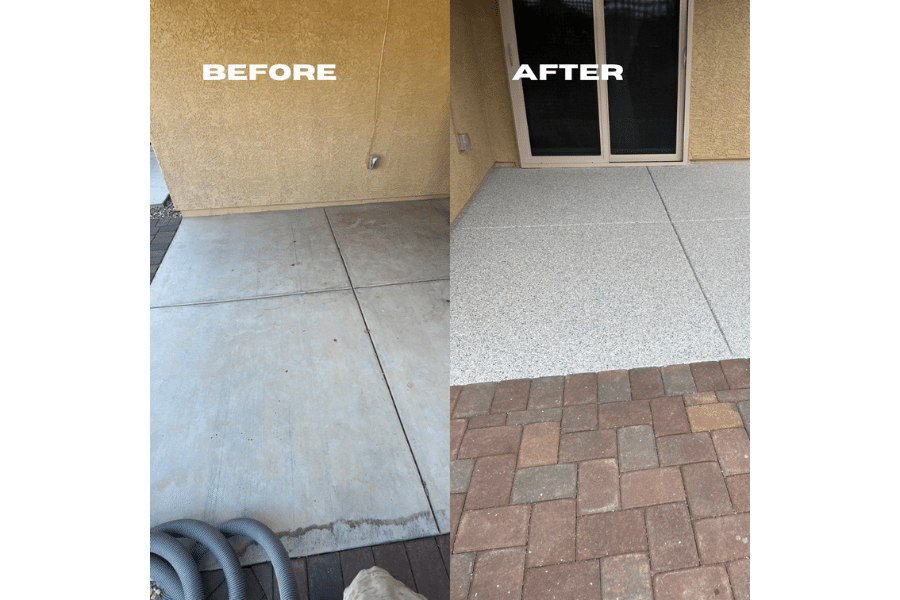

When it comes to protecting and enhancing concrete surfaces, polyurea and polyaspartic coatings are top choices. These advanced coatings offer superior protection and durability compared to traditional coatings like epoxy. But what makes polyurea and polyaspartic coatings so special? Let’s dive into the science behind these remarkable materials.
What Are Polyurea and Polyaspartic Coatings?
Polyurea and polyaspartic coatings are both types of polyurethanes, which are versatile and strong synthetic materials. Polyurea is created by combining a synthetic resin with a reactive isocyanate component. This reaction happens very quickly, resulting in a highly durable and flexible coating. Polyaspartic coatings are a type of polyurea with added properties that allow for a slower curing process, making them easier to work with.
Benefits of Polyurea and Polyaspartic Coatings
There are many benefits of choosing polyurea and polyaspartic coatings over epoxy.
Fast Curing Time
One of the standout features of polyurea and polyaspartic coatings is their fast curing time. Traditional epoxy coatings can take several days to fully cure, which means the area being coated is out of use for a longer period. In contrast, polyurea and polyaspartic coatings can cure in just a few hours. This quick curing time means you can get back to using your space much sooner, making them ideal for both residential and commercial projects.
Superior Durability
Polyurea and polyaspartic coatings are incredibly durable. They are resistant to scratches, impacts, and abrasion, making them perfect for high-traffic areas like garages, driveways, and commercial spaces. These coatings can withstand heavy use without showing signs of wear and tear, which is a significant advantage over traditional coatings.
Flexibility
Another key advantage of polyurea and polyaspartic coatings is their flexibility. Unlike traditional epoxy coatings, which can become brittle and crack over time, polyurea and polyaspartic coatings remain flexible. This flexibility allows them to expand and contract with the concrete beneath them, reducing the risk of cracks and other damage. This is particularly important in areas with extreme temperature fluctuations, like Arizona.
Chemical Resistance
Polyurea and polyaspartic coatings also offer excellent chemical resistance. They can withstand exposure to a wide range of chemicals, including oils, gasoline, and solvents. This makes them an ideal choice for garages, workshops, and industrial settings where chemical spills are a concern. Traditional epoxy coatings can be damaged by chemicals, but polyurea and polyaspartic coatings provide a much higher level of protection.
UV Stability
In sunny regions like Arizona, UV stability is crucial for any outdoor coating. Polyurea and polyaspartic coatings are highly resistant to UV rays, meaning they won’t yellow or degrade when exposed to sunlight. This UV stability helps maintain the appearance and performance of the coating over time, unlike some traditional coatings that can fade and become less effective with prolonged sun exposure.
Moisture Tolerance
Polyurea and polyaspartic coatings are also more moisture-tolerant than traditional epoxy coatings. They can be applied in conditions where moisture is present, which means less preparation work is required before application. This makes the installation process faster and more convenient.
Versatility in Application
These coatings are versatile and can be used in various applications. From residential garages and driveways to commercial warehouses and industrial floors, polyurea and polyaspartic coatings offer a reliable and durable solution. Their versatility extends to aesthetics as well, with a range of colors and finishes available to suit different design preferences.
Key Take Aways
Polyurea and polyaspartic coatings represent a significant advancement over traditional epoxy coatings. Their fast curing time, superior durability, flexibility, chemical resistance, UV stability, and moisture tolerance make them an excellent choice for protecting and enhancing concrete surfaces. Whether you’re looking to improve the look of your home’s garage or ensure the longevity of a commercial floor, these advanced coatings provide a solution that stands the test of time. By understanding the science behind polyurea and polyaspartic coatings, you can make an informed decision that will keep your concrete surfaces looking great and performing well for years to come.